
The Thrill of the Hunt

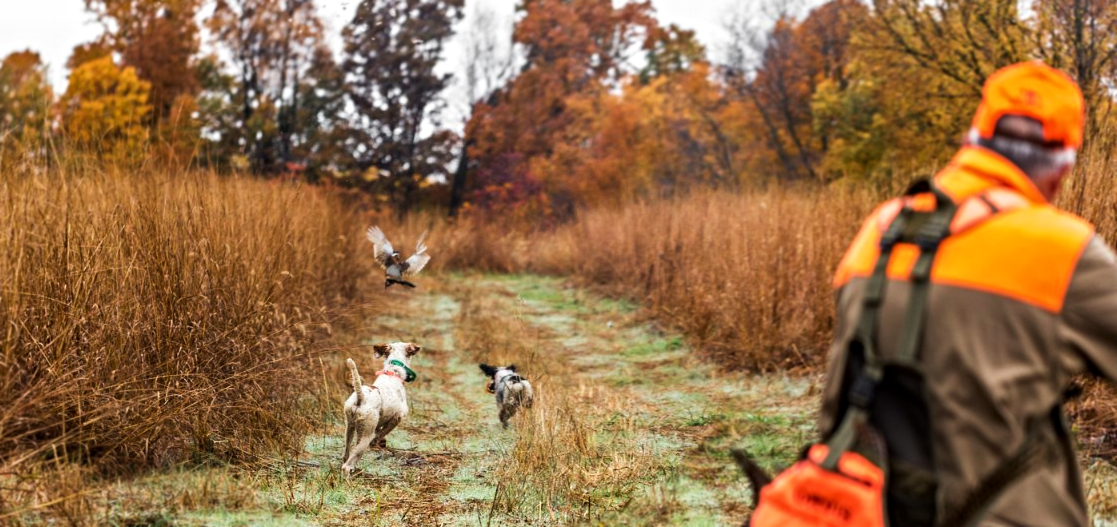
Hunters anticipate the onset of autumn all year long, and has we begin to welcome hunting season back to the southeast, it’s time to head outside and reconnect with nature. Our region is home to various environments and locations that are perfect for some of the most beautiful game to thrive. Whether you’re looking for quail, pheasant, or deer, take advantage of all the south has to offer. Here are some of the finest spots and lodges you might consider traveling to for your first hunts.  

Pine Hill Plantation  

Donalsonville, GA

Located in South Georgia, Pine Hill Plantation is the luxury lodging destination for hunters looking to get in on the quail season. The property includes four lodges that are rented out to individual parties, and each with their own house staff and sous-chef. Guests can take advantage of the 6,000 acres of prime quail habitat, all while getting that private plantation experience and feel.  


Primland  

Meadows of Dan, VA 

Located in the Blue Ridge Mountains of Virginia, Primland offers deluxe accommodations for hunters hoping to put their skills into action. Head into the wild with semi-guided excursions to hunt deer, turkey, pheasant, and quail, with other archery, air rifle, and sporting clay opportunities too. When the day turns to night, guests can relax and admire the estate’s 12,000-acre space or enjoy its fine-dining restaurant, serene spa, and observatory tower.  


Deer Creek Lodge 

Sebree, KY 

Deer Creek Lodge is an award-winning destination in western Kentucky. With a selection of extravagant spaces and unparalleled hunting experiences, guests are given the trip of a lifetime. From Orvis endorsements to other high honors, Deer Creek Lodge has established itself as a quality location for hunting pheasant, quail, duck, and turkey, as well as for creating an unrivaled atmosphere for the season.  

Caryonah Hunting Lodge  

Crossville, TN 

Located in our very own Volunteer State, Caryonah Hunting Lodge is the exotic haven you’ve been looking for. Catering to hunters of all kinds, you can find a variety of different game across its breathtaking scenery. Guests are given a rare and thrilling hunting experience alongside luxurious accommodations and other adventures such as hiking and fishing. Plus, Caryonah cabins are built with sustainable techniques that bring the charm of the resort’s natural surroundings indoors.  

This is merely a taste of the destinations you may consider traveling to this hunting season. Luckily, you don’t have to go too far to get the big game experience! 
The Harvest Moon at Arcadia Peninsula

The brilliant Harvest Moon is an illuminating phenomenon that occurs in either September or October, depending on how the lunar cycle lines up with the Gregorian calendar. Unlike other full moons, this one isn’t associated with a specific month and is instead named in relation to the timing of the autumnal equinox, which arrives on September 22nd, 2022.  

It’s called the Harvest Moon because of the abundance of bright moonlight it brings in the early evening, which was a traditional aide to farmers harvesting their summer-grown crops. For several nights, the moonrise comes after sunset, welcoming a particularly beautiful grow across the Peninsula.  

For those in our community getting ready to harvest their crops, the long-awaited Harvest Moon will help to light the way. Here’s a look at some of the vegetation that thrives in our area this time of year – some of which you may already be growing in your own garden.  

Kale 

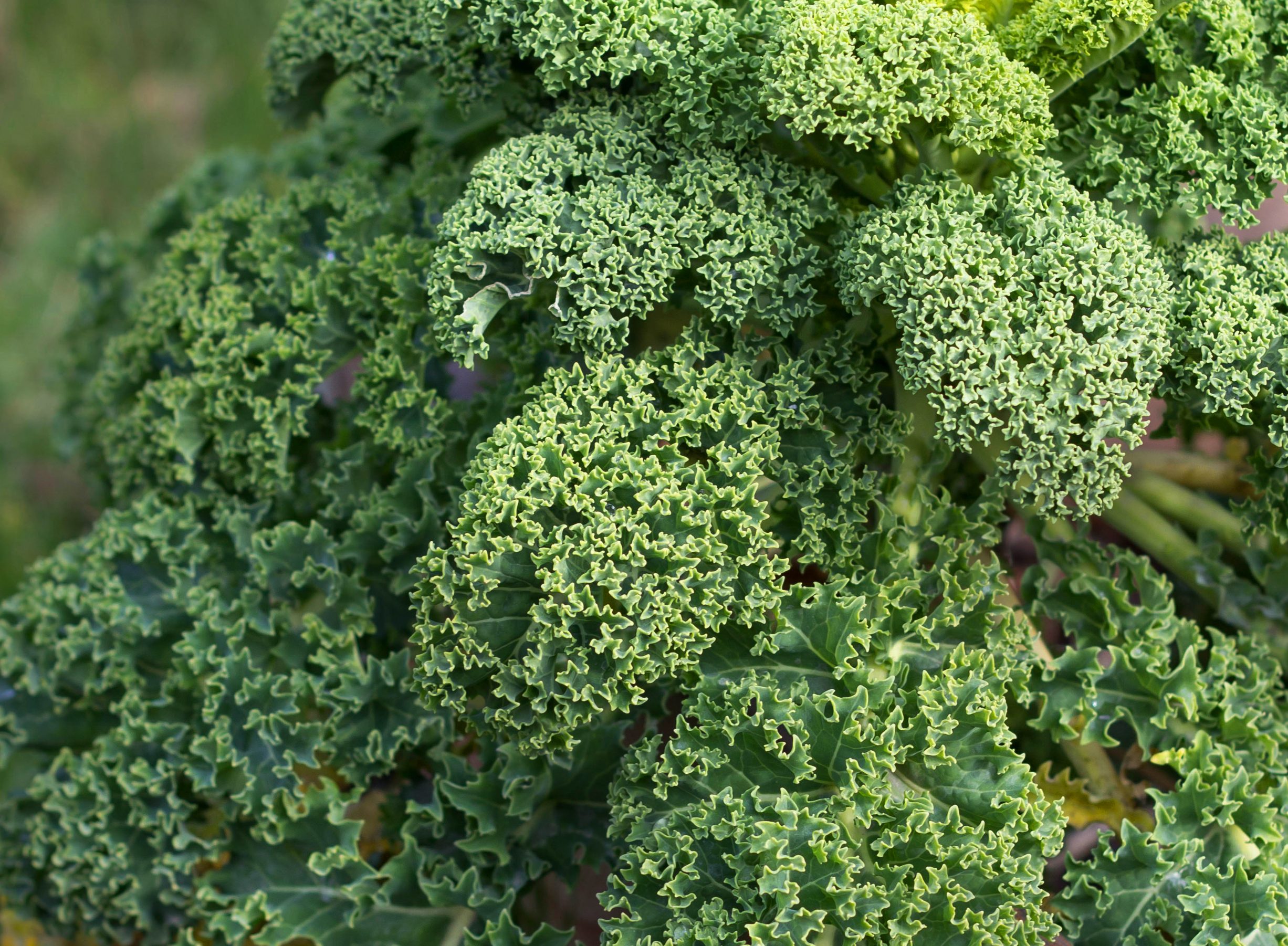
Kale is merely one of the cooking greens that flourishes at the Peninsula. Some prefer to plant kale in the late winter or early spring, but thanks to Knoxville’s warmer climate, it can also be planted in the late summer for a fall to winter harvest. Kale takes roughly three months to reach maturity from seed, while cuttings will mature in about one month.  


Brussel Sprouts 

Brussel sprouts aren’t the easiest crop to grow, but the Peninsula provides the perfect environment for them to succeed. This tasty vegetable requires a long growing season and is considered a cool-season crop, meaning that they produce best when grown for a fall or early winter harvest.  


Maple 

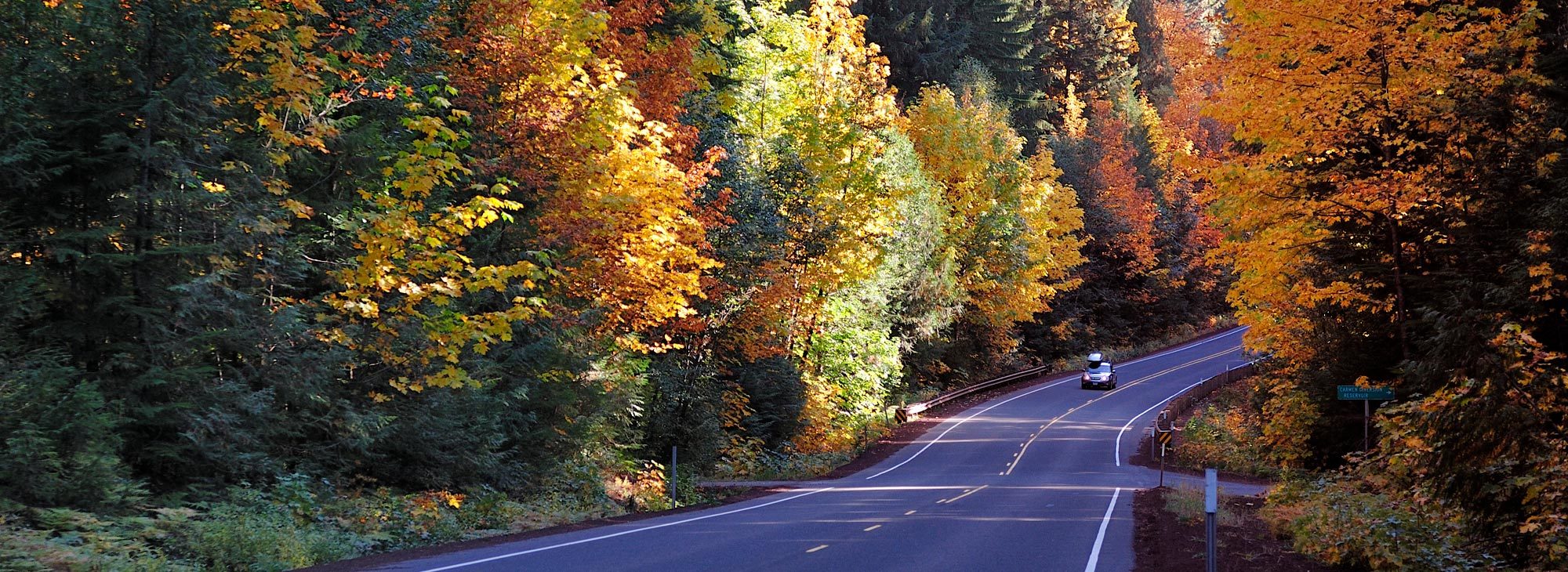
Maple trees scatter the Peninsula every year with their beauty. As the leaves start to change, their vibrant shades of orange, yellow, and red create an eye-catching scenery that sets the stage for the season. Often seen standing gracefully in front yards, maples are easy to grow and can be useful in many ways – aside from making gorgeous additions to our community. Maple is a popular wood for furniture and cabinetry and makes for fantastic firewood. You can also use the sap of a sugar maple variety to make maple syrup, as well as maple wood chips for adding a smoky flavor to your favorite cuts of meat.  

Flower Arrangements for Your Fall Table

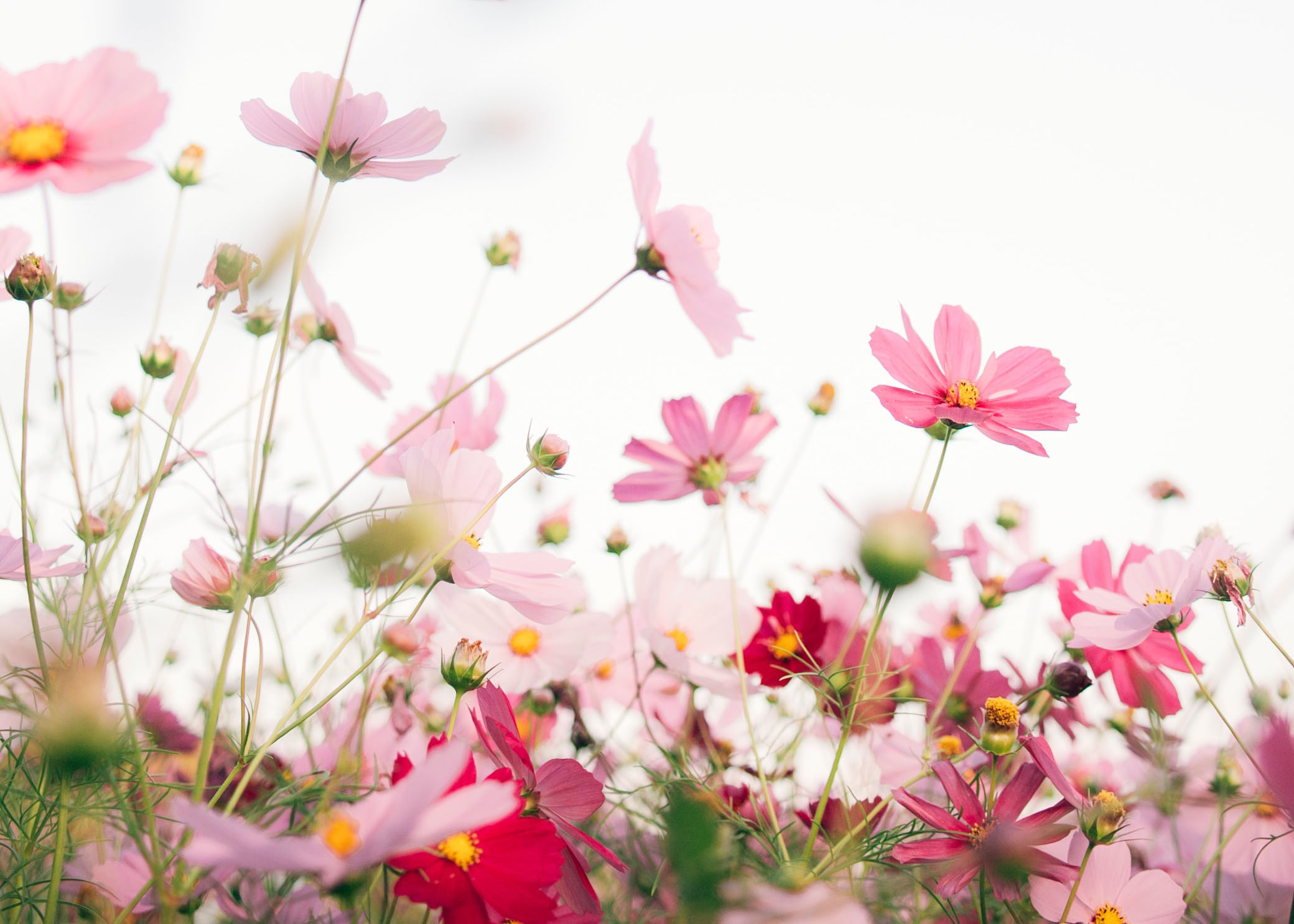
Flower arrangements can enhance the ambiance of any room, especially during the fall season. Once the weather cools, flower arrangements allow you to incorporate natural elements in your home, giving it a chic upgrade for autumn.  

 Whether you prefer to buy your arrangements from a florist or would rather put them together yourself, we’ve gathered some information below to help you find the perfect bouquet for your space. From the flowers you should be looking for to current trends and styles, the following will give you plenty of inspiration for your arrangements.  

Relaxed Elegance 

Reflect the calming, inviting feelings of fall in your home by decorating with bouquets that emulate a relaxed elegance. Start by looking for an urn or vase that has a wide, low rim. This will allow flowers to overflow and hang loosely over the sides, creating a dynamic yet graceful display.  

The vessel should hold structural branches, shrubs, or foliage with colorful leaves or berries that boast autumnal hues. Combine those with large roses that are slightly battered by the cooler weather for an added uniqueness and textural element. Look for robust focal flowers such as chrysanthemum and dahlias that introduce a bit of drama to the arrangement. For a final flourish, search for wispy stems like spindle tree or acer leaves for a whimsical feel.  

With the relaxed elegance style, balance is key. This kind of bouquet can take on several forms and variations, and none of which need to be symmetrical, but the elements should flow together and work proportionally. Hazy hues and smokey tones blend beautifully together, as well as contrasting colors such as vibrant yellows and rich oranges. When in doubt, read the arrangement from left to right, with color, shape, and form effortlessly carrying your eye.  

Dried Flowers 

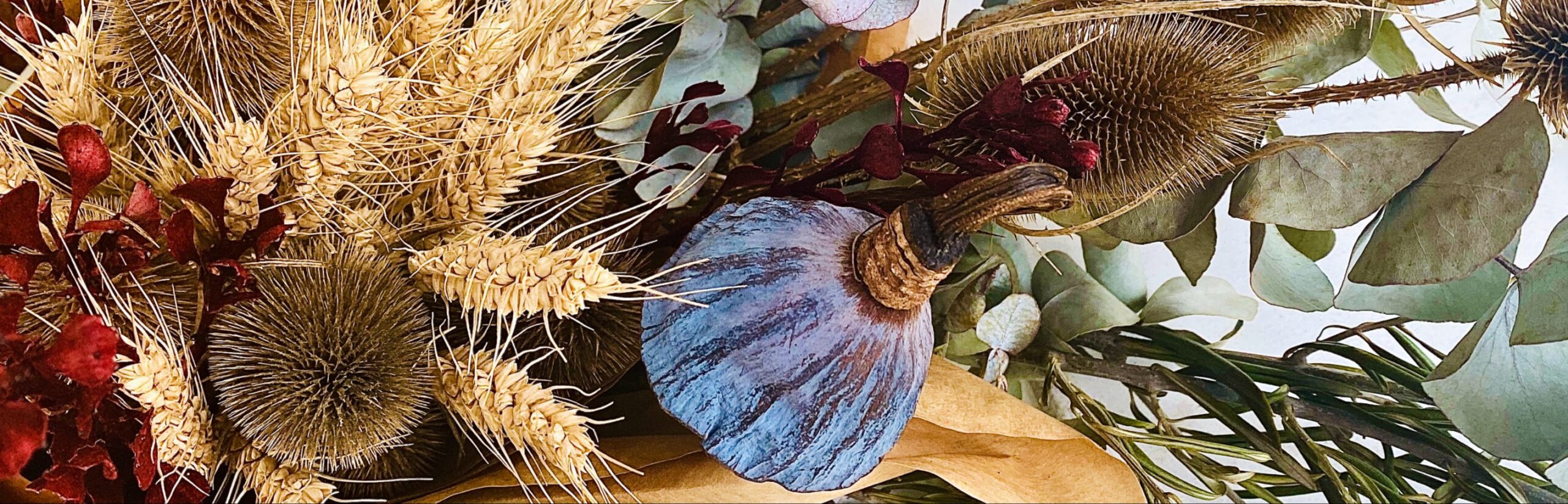
Rustic elements are an autumn staple in many homes, and dried flowers have become increasingly popular for those looking to achieve a vintage yet sophisticated flair in their home. Not only can they be combined to create a gorgeous piece for your mantel or dining room table, but also a long-lasting bouquet you can alter and revamp throughout the entire season.  

Keep an eye out for pampas grass stems, baby’s breath, preserved eucalyptus, bunny tails, and white nigella. You’ll should also look for colors such as dusty pinks, purples, and blues, which work harmoniously with neutral and warm tones.  

Non-Traditional Elements 

Have fun with your fall flower arrangements and experiment with non-traditional elements to create eclectic, eye-catching bouquet. You can be as adventurous as you want, but an easy place to start is by using a unique vessel such as a birch vase, champagne bucket, or watering can.  

 Look for seasonal items like oak, brunia, and thistle to be combined with anything from vanda orchids, caraluna garden roses, and anemones. Arrangements should be lush and autumnal, but edgy at the same time. Pairings of light and dark tones with complimentary details such as taper candles work together with florals to create an enduring tablescape that’s sure to leave your guests talking.

Smoky Mountain Fly Fishing

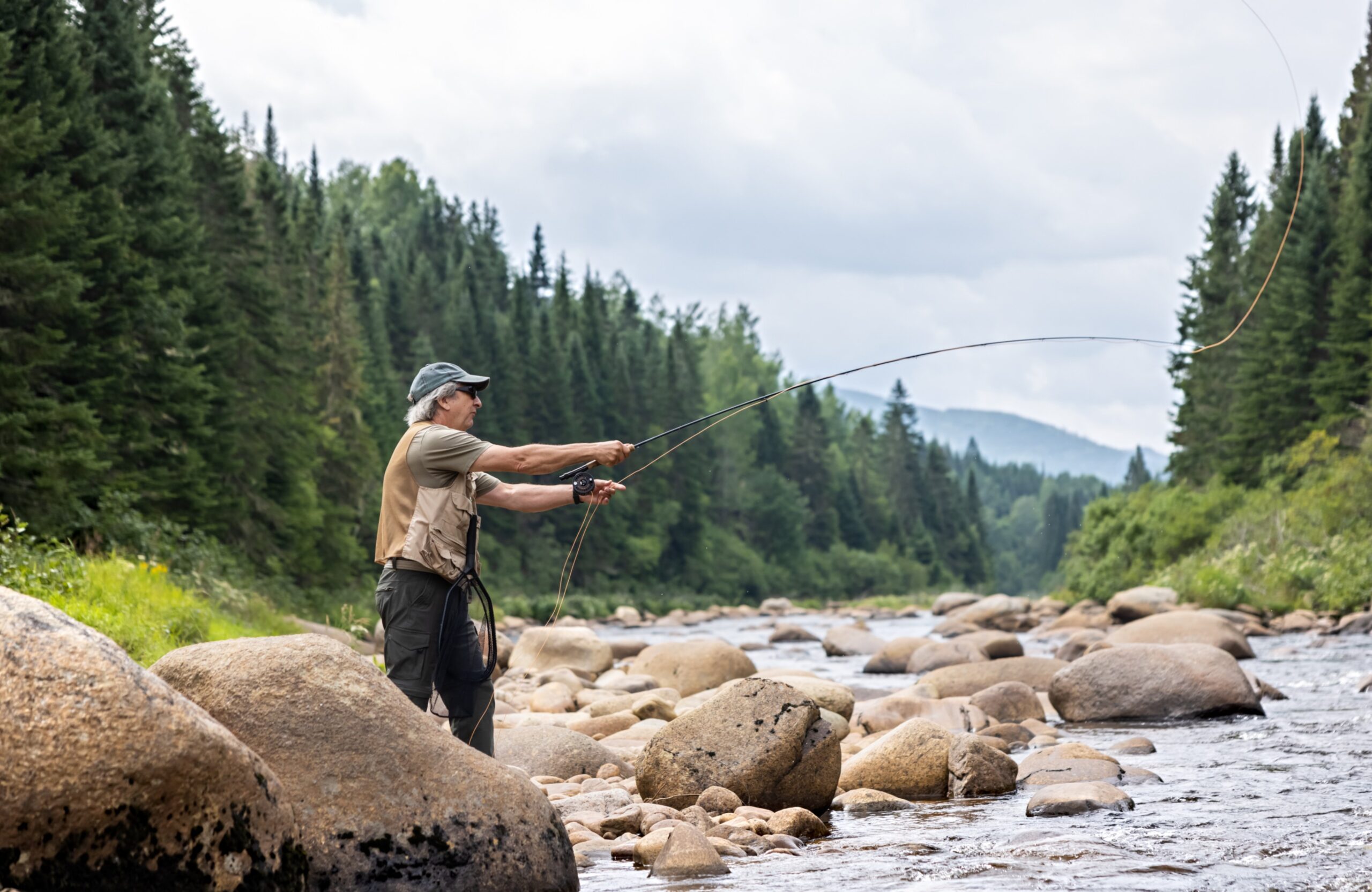
Whether you’re an avid fly fisher or a beginner, the Great Smoky Mountains National Park is the summer’s ultimate destination for fly fishing – and it’s only a short drive away. With beautiful streams that are plentiful with trout and other exciting catches, you can take your next fishing trip a bit closer to home. Below, we’re sharing some information to help your Great Smoky Mountains fly fishing experience be both a successful and fun one.

The Catches  

The Great Smoky Mountains National Park is home to a variety of wildlife, and especially trout. Its native Appalachian book trout is merely one popular species that attracts fly fishers. This is the only native species of trout in the park, as well as in the Southeast, and is often considered the symbol of the Great Smoky Mountains National Park’s fish.

Wild, stream-bred rainbow and brown trout are another thriving species in the park’s streams and are often the most sought after. The rainbow trout specifically is the most common fish in the park, and can be found in cool, fast-flowing water of almost all the area’s mountain freestone streams. On the other hand, brown trout are said to be the toughest to catch and are typically the largest.  

Speaking of big catches, you won’t find many trophy trout in the Great Smoky Mountain waters. While there are some large brown trout swimming around, your chances of reeling one in aren’t all that high. This is because small trout are typical of any eastern headwater mountain stream where wild fish run the waters.  

The Best Times to Fish  

Fly fishing in the Great Smoky Mountains National Park is a year-round activity. There isn’t any time that’s been deemed as the “best.” This means that you can fly fish all summer long and even beyond this season’s end. The Great Smoky Mountains National Park is at an advantage in this sense because when other fishing hotspots close for the season, you can usually continue to catch trout in the Smokies. Although, different techniques and strategies are still required depending on the season.  

The Sweet Spots  

The Great Smoky Mountains National Park is over 521,000 acres with over 700 miles of streams. With that much land to cover, it can be difficult to know where to start. It’s first important to know that the park’s waters have been divided into 19 major streams or watersheds, along with several minor streams. Each spot is different, and while we won’t cover all of them, here’s some information about a few of the streams you might want to visit.


Abrams Creek 

Abrams Creek is often considered to be one of the greatest streams in the park. It’s home to quality fish and has a better water chemistry than other streams in the Great Smoky Mountains National Park. Given its location and flow of passage, Abrams Creek’s waters have a higher-than-normal PH level, which means there is more food for the trout, and thus, larger fish. In fact, the rainbow trout in Abrams Creek are as large or larger than any found in the park. You’ll also find the waters to be very clear, making even its higher waters fishable.  

Tremont  

Tremont refers to the Middle Prong of the Little River, which is a small to medium size stream formed by the confluence of two small tributary streams, Thunderhead Prong, and Lynn Camp Prong. This stream is a popular spot because of its easy accessibility. It’s also not especially difficult to fish in Tremont but fly fishing can be tough given overhanging tree limbs. Nonetheless, there are plenty of rainbow trout swimming around the Tremont waters, and you may even be met with a surprise brown trout if you choose to fish in the lower part of the stream.  

Little River 

The East Prong of the Little River is one of the largest streams in the park. It’s a popular and heavily fished location because of its accessibility, but also because it’s known to have some of the largest brown trout in its waters. Rainbow trout are also in abundance at Little River, and brook trout can be found in its uppermost part. Depending on where you are, the difficulty of fishing at Little River ranges from easy to hard, but visitors usually have success.  


Little Pigeon River 

The West Prong of the Little Pigeon River is one of the best trout streams in the Great Smoky Mountains National Park. You’ll find rainbow trout in its lower and middle sections, as well as brook trout in its uppermost part and some of its tributary streams. This population at Little Pigeon River makes it a prime fishing spot and probably the second most popular in the park.  


No matter when or where you choose to fish in the Great Smoky Mountains National Park, you can use resources like flyfishingsmokymountains.com to find all the details you need, as well as tips and techniques to help you fly fish like a pro.  

The Garden That Keeps On Growing

This summer, we’ve been experiencing some record-breaking heat here in Knoxville. While the high temperatures aren’t unfamiliar to us, they can be a shock to your garden – and as we head deeper into the season, Knoxvillians know the heat won’t be letting up anytime soon. Chances are, you put a lot of work into your garden, and the sweltering climate shouldn’t be a reason to give up on it. To keep your spirits (and plants) from wilting, the following tips will help to make sure your garden thrives through the summer and beyond.


Water Wisely 

There are small strategies for watering your garden that can make a world of difference. First, you want to make sure you water your plants early in the morning. Examine them first thing when it’s cooler, and if you noticed any wilting, water those plants deeply. This will encourage roots to grow deeper and get away from the surface of the hot soil.

You should also avoid wetting your plants’ leaves when possible because wet leaves increase the chances of disease. If you use a sprinkler system to water your garden, leaves will obviously get wet, but running your sprinklers in the early morning will give the foliage plenty of time to dry before the sun starts beating. 

Watching your garden for an “indicator” plant throughout the day is another way to ensure you’re watering wisely. Your indicator plant is the first plan to wilt as the soil becomes dry. When its leaves begin to droop, that’s when you’ll know it’s time to water. Healthy plants will recover from wilting once the evening’s cooler air rolls in.

Weed Often

Weeding isn’t a particularly loved part of gardening, but it’s a process of high importance if you want to keep your plants growing strong. Just like your garden’s beauties, weeds drink water, and they will fight with domestic plants for hydration. To ensure they don’t steal any water away, make a habit of checking your garden for weeds while you’re watering in the early morning hours. Doing so will allow you to throw weeds out on a rolling basis before they can begin to spread and cause trouble.

Don’t Skip Mulch

Mulch is a sort of protector for your garden. It provides a barrier between the hot sun and the soil, keeping it cooler and preventing it from rapid drying. Mulch around your garden with grass cuttings, straw, or shredded leaves, but be careful to keep it loose. Laying it on too thick or allowing it to become compacted will get in the way of water reaching the underlying soil. 

Fertilize & Feed

Water isn’t the only component of a healthy plant diet. Actively growing plants need a steady supply of nutrients, which makes fertilizer a key factor too. Soil, water, and air provide plenty of nutrients on their own, but you’ll need to provide the rest. And since not all plants should be fed the same, it’s important to understand the necessary nutrients and amounts of each. Here’s some basic information to start.

Macronutrients

Macronutrients include nitrogen, potassium, and phosphorus, all which plants need in large amounts. Nitrogen helps to synthesize proteins, chlorophyll, and enzymes, but is often likely to be inadequate in garden soils. Phosphorus promotes flowering and fruiting, strong root growth, and the transfer of energy within the plant. Phosphorus deficiency is rare, and an overdose can be bad news. Finally, potassium helps to regulate the synthesis of proteins and starches that make plants sturdy. It also increases resistance to disease, heat, and cold. 

Secondary Nutrients

Secondary nutrients are less likely to be deficient in most soils, but they’re needed in nearly the same amount as macronutrients. Calcium is one nutrient in this group that’s critical in cell formation and growth. Magnesium is another and is responsible for forming the core of the chlorophyll molecules in the cells of green leaves. The final secondary nutrient is sulfur, which acts with nitrogen in the manufacture of protoplasm for plant cells. 

Micronutrients

Micronutrients are needed in small amounts with excess quantities being potentially toxic. They include zinc, manganese, iron, and for some plants, boron. 

Choosing the right fertilizer for your garden may be easier with the help of a local professional here in Knoxville. There are various plant nurseries and garden centers around who can offer their advice and expertise. Equip them with knowledge of what type of plants and soil you have, as well as any amendments you might currently be using, to allow them to steer you in the right direction. 

Make Exercise a Habit Once and for All

How to Stick to Exercse Habits 

Habits are difficult to form, especially when it comes to exercising. Nonetheless, being active can become part of your daily routine for life. Here’s some expert guidance to help you form exercise habits and stick to them. 


Identify Your Motivation 

The key to making a true lifestyle change is having a self-driven reason to adjust your habits. According to Tori Hinchman, director of fitness and wellness on Thomas Jefferson University’s East Falls campus, it’s best to think about what you want to achieve or improve for yourself, and make sure you aren’t working solely on external motivations.  

Making a change because someone else may have told you to isn’t enough. If you want to be successful in this endeavor, it’s important that you find your “why” – Why is this something you care about and why make changes now? 


Find a Routine You Can Maintain

Your exercise habits should be built around you. Meaning, if you don’t want to invest in an expensive gym membership or force yourself to love running – DON’T. There are plenty of ways you can actively exercise without sacrificing your money or interests, such as taking a long walk around your neighborhood or jogging through the park.  

Finding your ideal routine involves figuring out the best time to exercise too. Some prefer early mornings and others choose late nights, but the answer to this question varies for everyone. Consider your personal preferences and take inventory of your day-to-day tasks. Hinchman recommends adding small exercises into your regular schedule to start, and over time, it will grow into a bigger, more guaranteed part of your day.