
Summer Dips & BBQ Tips

Selecting Your Spot

Tailgating is a city-wide activity, which means that while there may be plenty of room for everyone, selecting your spot requires planning. This is especially true if you hope to tailgate on campus or near the stadium.

To help you navigate the area, familiarize yourself with the University of Tennessee’s parking and transit services website. You’ll find a wealth of information and resources that outline private versus public lots on campus during the football season. They also provide a map that shows designated parking areas for specific groups such as donors and others, which you can reference to get a bird’s eye view of potential tailgate spots.

Planning Your Menu

Food is arguably the most important – and memorable – part of any tailgate. While you can never go wrong with the classic dips and grilled favorites, planning your spread can be daunting.

The easiest way to relieve some of the pressure is to ask for help. There are plenty of simple tailgate recipes out there and requesting that your guests bring a dish to share with the group is a great way to get everyone involved. Plus, it’s a sure way to create a diverse spread with tons of treats to choose from.

On the other hand, some prefer to take on menu planning alone, and that’s okay too. If you want to land yourself a spot in the tailgate food Hall of Fame, here are some recipes you might consider serving.

PURPLE POTATO SALAD

It’s probably best to avoid this one when we’re playing LSU – wouldn’t want anyone to think you’re cheering for the wrong team! For other gamedays though, this purple potato salad is a great way to add some color to your tailgate table. Combine purple fingerling potatoes with garlic, red pepper flakes, apple cider vinegar, and salt in a saucepan. Bring it to a boil until the potatoes are tender. After about 7 to 10 minutes, add red onion and cook for another minute. You’ll then drain and discard the garlic and allow everything to cool. From there, whisk together some more apple cider vinegar, sugar, and salt, and mix in mayo, sour cream, and horseradish. Finish it all off by adding celery and pickles, as well as fresh dill, parsley, salt, and pepper.

BUFFALO CHICKEN GRILLED BRIE

This twist on a crowd favorite will be the talk of your tailgate. Just toss together some shredded chicken and buffalo wing sauce and slice off the top rind of a wheel of brie. Place it on some foil and top with the chicken and some celery. Then, close the foil, leaving room in the packet, and grill over medium-low heat until the cheese is soft. After about 8 minutes, unwrap and top with blue cheese dressing and scallions.

COWBOY CAVIAR

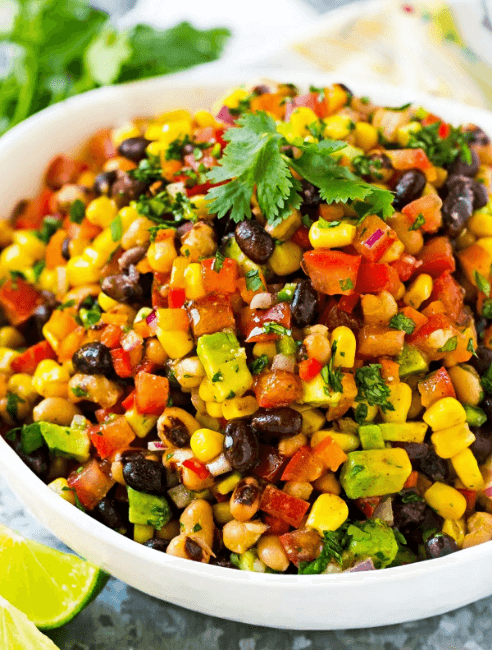
Whether you’ve never heard of it before or have been making it for years, cowboy caviar is become a wildly popular recipe that’s perfect for tailgates. It combines fresh ingredients like tomatoes, red onion, black beans, corn, bell peppers, jalapeno, cilantro, and scallions, all tossed together in a tangy vinaigrette dressing. This is one of the simplest yet tastiest appetizers, and the best part is that there are tons of variations you can try. No matter what twist you take, serve it with tortilla chips and soon you’ll have the entire tailgate in awe.
Cheering On The Vols At Home

Tailgating at home can be just as exciting as it is on campus, and you can create an atmosphere that rivals being right outside the stadium. If you’re skeptical, consider the perks of an at-home event like the ability to avoid crowded city streets, overall comfortability, and not having to take all your party favors on-the-go. Here’s some tips to help you host a first-rate tailgate from your very own home.
Decorate Your Space

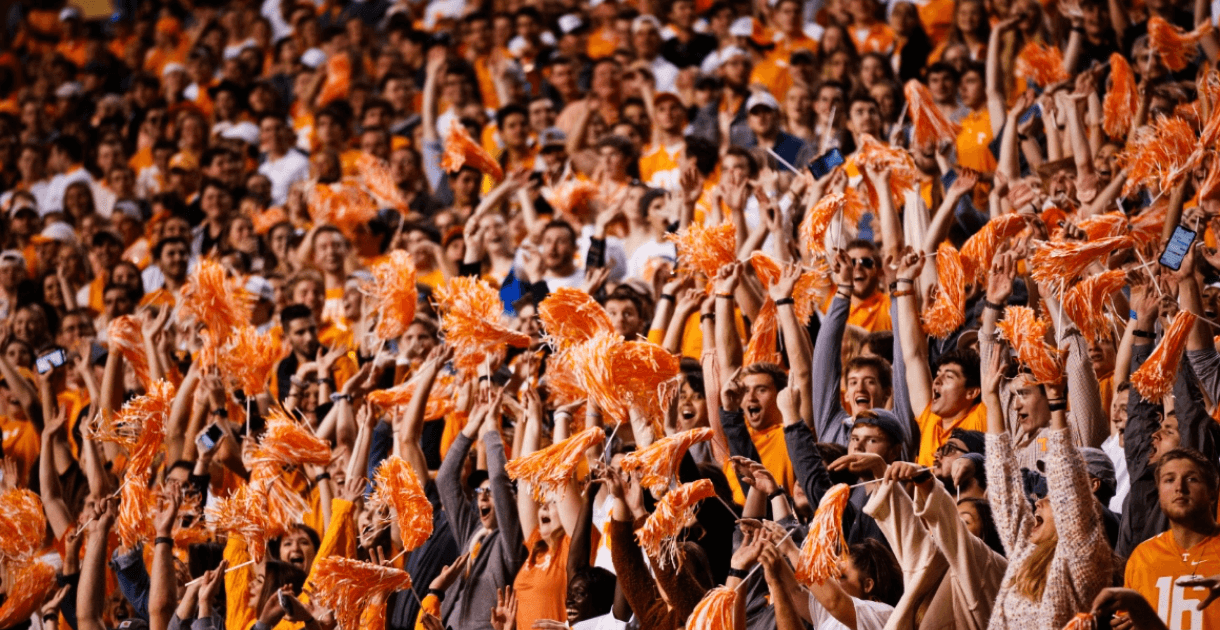
Set the stage for your tailgate with tasteful decorations that match the gameday spirit. You can either buy pre-made accents or create some do-it-yourself (DIY) pieces. Either way, make sure your decorations coincide with your favorite team’s colors – which we hope is orange and white!

CONSIDER CATERING

Cross some items off your tailgate to-do list by using a caterer for your event. Some only provide food and drinks, but others may offer delivery, set up, and take down service. Depending on how much help you think you’ll need, there are plenty of catering options to choose from including chain restaurants like Chipotle and local favorites such as Calhoun’s.

KEEP GUESTS ENTERTAINED

When you’re not watching the game, keep guests entertained by setting up activities and games that everyone can enjoy. Whether you break out the cornhole boards or giant Jenga set, everyone will remember the fun they had at your tailgate.
‘Tis the season for tailgating, and with these tips and tricks in mind, you’ll be able to tackle it like a pro.
The Thrill of the Hunt

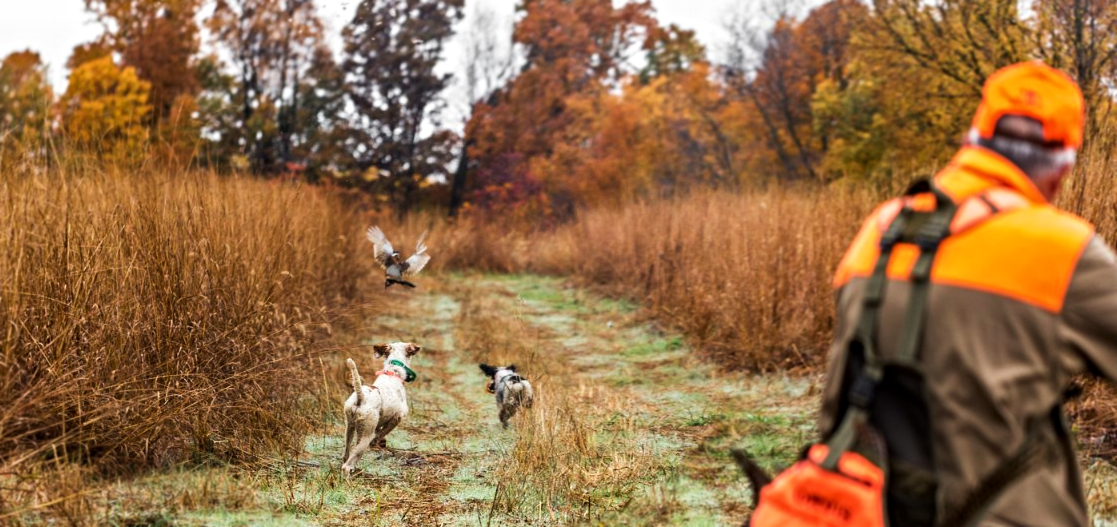
Hunters anticipate the onset of autumn all year long, and has we begin to welcome hunting season back to the southeast, it’s time to head outside and reconnect with nature. Our region is home to various environments and locations that are perfect for some of the most beautiful game to thrive. Whether you’re looking for quail, pheasant, or deer, take advantage of all the south has to offer. Here are some of the finest spots and lodges you might consider traveling to for your first hunts.  

Pine Hill Plantation  

Donalsonville, GA

Located in South Georgia, Pine Hill Plantation is the luxury lodging destination for hunters looking to get in on the quail season. The property includes four lodges that are rented out to individual parties, and each with their own house staff and sous-chef. Guests can take advantage of the 6,000 acres of prime quail habitat, all while getting that private plantation experience and feel.  


Primland  

Meadows of Dan, VA 

Located in the Blue Ridge Mountains of Virginia, Primland offers deluxe accommodations for hunters hoping to put their skills into action. Head into the wild with semi-guided excursions to hunt deer, turkey, pheasant, and quail, with other archery, air rifle, and sporting clay opportunities too. When the day turns to night, guests can relax and admire the estate’s 12,000-acre space or enjoy its fine-dining restaurant, serene spa, and observatory tower.  


Deer Creek Lodge 

Sebree, KY 

Deer Creek Lodge is an award-winning destination in western Kentucky. With a selection of extravagant spaces and unparalleled hunting experiences, guests are given the trip of a lifetime. From Orvis endorsements to other high honors, Deer Creek Lodge has established itself as a quality location for hunting pheasant, quail, duck, and turkey, as well as for creating an unrivaled atmosphere for the season.  

Caryonah Hunting Lodge  

Crossville, TN 

Located in our very own Volunteer State, Caryonah Hunting Lodge is the exotic haven you’ve been looking for. Catering to hunters of all kinds, you can find a variety of different game across its breathtaking scenery. Guests are given a rare and thrilling hunting experience alongside luxurious accommodations and other adventures such as hiking and fishing. Plus, Caryonah cabins are built with sustainable techniques that bring the charm of the resort’s natural surroundings indoors.  

This is merely a taste of the destinations you may consider traveling to this hunting season. Luckily, you don’t have to go too far to get the big game experience! 

Smoky Mountain Fly Fishing

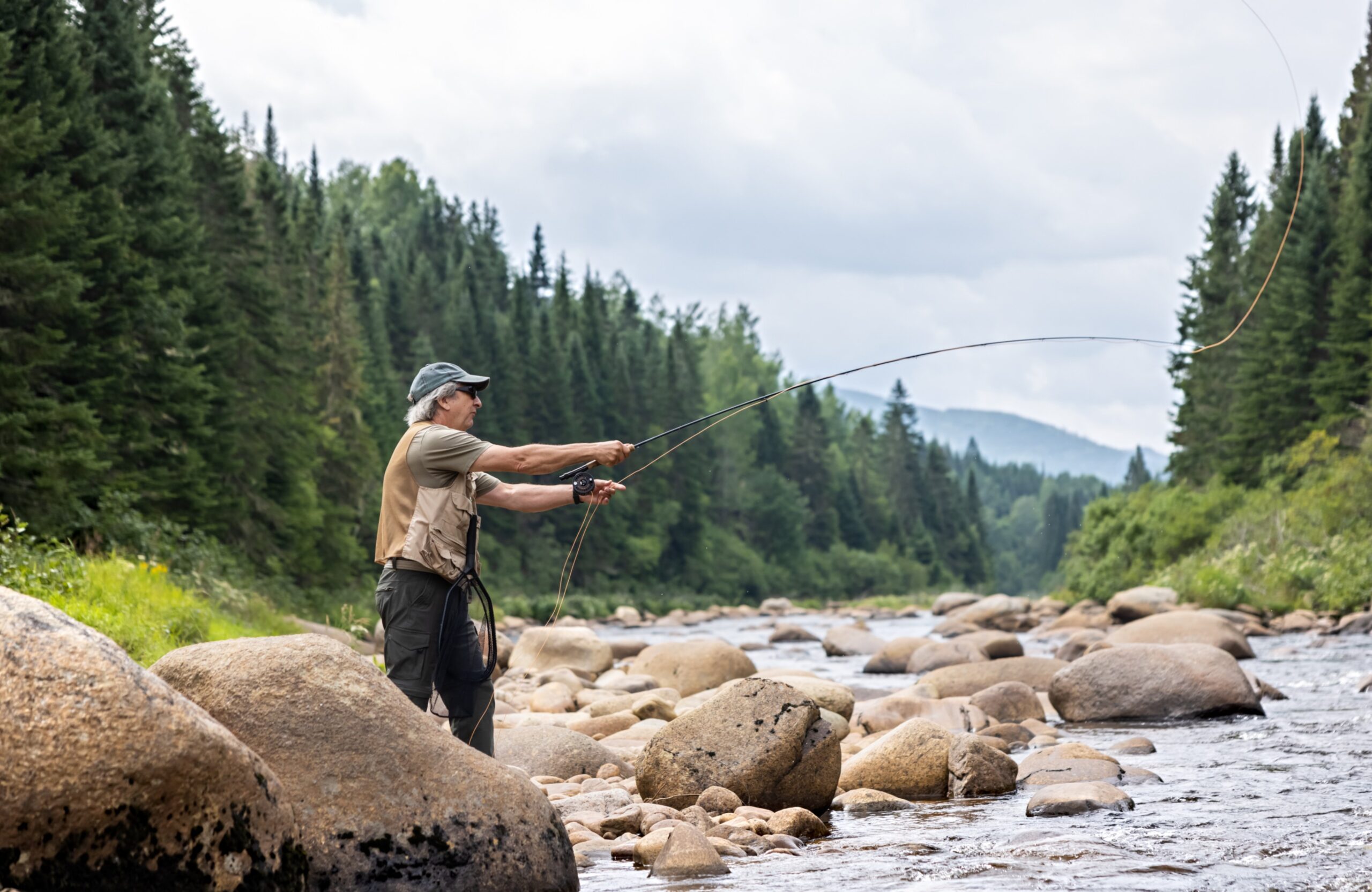
Whether you’re an avid fly fisher or a beginner, the Great Smoky Mountains National Park is the summer’s ultimate destination for fly fishing – and it’s only a short drive away. With beautiful streams that are plentiful with trout and other exciting catches, you can take your next fishing trip a bit closer to home. Below, we’re sharing some information to help your Great Smoky Mountains fly fishing experience be both a successful and fun one.

The Catches  

The Great Smoky Mountains National Park is home to a variety of wildlife, and especially trout. Its native Appalachian book trout is merely one popular species that attracts fly fishers. This is the only native species of trout in the park, as well as in the Southeast, and is often considered the symbol of the Great Smoky Mountains National Park’s fish.

Wild, stream-bred rainbow and brown trout are another thriving species in the park’s streams and are often the most sought after. The rainbow trout specifically is the most common fish in the park, and can be found in cool, fast-flowing water of almost all the area’s mountain freestone streams. On the other hand, brown trout are said to be the toughest to catch and are typically the largest.  

Speaking of big catches, you won’t find many trophy trout in the Great Smoky Mountain waters. While there are some large brown trout swimming around, your chances of reeling one in aren’t all that high. This is because small trout are typical of any eastern headwater mountain stream where wild fish run the waters.  

The Best Times to Fish  

Fly fishing in the Great Smoky Mountains National Park is a year-round activity. There isn’t any time that’s been deemed as the “best.” This means that you can fly fish all summer long and even beyond this season’s end. The Great Smoky Mountains National Park is at an advantage in this sense because when other fishing hotspots close for the season, you can usually continue to catch trout in the Smokies. Although, different techniques and strategies are still required depending on the season.  

The Sweet Spots  

The Great Smoky Mountains National Park is over 521,000 acres with over 700 miles of streams. With that much land to cover, it can be difficult to know where to start. It’s first important to know that the park’s waters have been divided into 19 major streams or watersheds, along with several minor streams. Each spot is different, and while we won’t cover all of them, here’s some information about a few of the streams you might want to visit.


Abrams Creek 

Abrams Creek is often considered to be one of the greatest streams in the park. It’s home to quality fish and has a better water chemistry than other streams in the Great Smoky Mountains National Park. Given its location and flow of passage, Abrams Creek’s waters have a higher-than-normal PH level, which means there is more food for the trout, and thus, larger fish. In fact, the rainbow trout in Abrams Creek are as large or larger than any found in the park. You’ll also find the waters to be very clear, making even its higher waters fishable.  

Tremont  

Tremont refers to the Middle Prong of the Little River, which is a small to medium size stream formed by the confluence of two small tributary streams, Thunderhead Prong, and Lynn Camp Prong. This stream is a popular spot because of its easy accessibility. It’s also not especially difficult to fish in Tremont but fly fishing can be tough given overhanging tree limbs. Nonetheless, there are plenty of rainbow trout swimming around the Tremont waters, and you may even be met with a surprise brown trout if you choose to fish in the lower part of the stream.  

Little River 

The East Prong of the Little River is one of the largest streams in the park. It’s a popular and heavily fished location because of its accessibility, but also because it’s known to have some of the largest brown trout in its waters. Rainbow trout are also in abundance at Little River, and brook trout can be found in its uppermost part. Depending on where you are, the difficulty of fishing at Little River ranges from easy to hard, but visitors usually have success.  


Little Pigeon River 

The West Prong of the Little Pigeon River is one of the best trout streams in the Great Smoky Mountains National Park. You’ll find rainbow trout in its lower and middle sections, as well as brook trout in its uppermost part and some of its tributary streams. This population at Little Pigeon River makes it a prime fishing spot and probably the second most popular in the park.  


No matter when or where you choose to fish in the Great Smoky Mountains National Park, you can use resources like flyfishingsmokymountains.com to find all the details you need, as well as tips and techniques to help you fly fish like a pro.  

Make Exercise a Habit Once and for All

How to Stick to Exercse Habits 

Habits are difficult to form, especially when it comes to exercising. Nonetheless, being active can become part of your daily routine for life. Here’s some expert guidance to help you form exercise habits and stick to them. 


Identify Your Motivation 

The key to making a true lifestyle change is having a self-driven reason to adjust your habits. According to Tori Hinchman, director of fitness and wellness on Thomas Jefferson University’s East Falls campus, it’s best to think about what you want to achieve or improve for yourself, and make sure you aren’t working solely on external motivations.  

Making a change because someone else may have told you to isn’t enough. If you want to be successful in this endeavor, it’s important that you find your “why” – Why is this something you care about and why make changes now? 


Find a Routine You Can Maintain

Your exercise habits should be built around you. Meaning, if you don’t want to invest in an expensive gym membership or force yourself to love running – DON’T. There are plenty of ways you can actively exercise without sacrificing your money or interests, such as taking a long walk around your neighborhood or jogging through the park.  

Finding your ideal routine involves figuring out the best time to exercise too. Some prefer early mornings and others choose late nights, but the answer to this question varies for everyone. Consider your personal preferences and take inventory of your day-to-day tasks. Hinchman recommends adding small exercises into your regular schedule to start, and over time, it will grow into a bigger, more guaranteed part of your day.